I’ve always loved reading. It’s hard to believe for most, but I’ve loved reading ever since I was a child. The oldest form of escape, I would spend entire summers walking to the library a few blocks away and stay up all night finishing novels. Think of the way Matilda discovered her local library, and would bring a wagon with her, quickly making her way through children’s books towards the classics. I still have a soft spot for Jane Eyre and A Tale of Two Cities… but also The BFG and Lemony Snicket’s A Series of Unfortunate Events.
It also should be said that I veer towards books that make you feel something. Usually unmistakeable grief. I like a decent beach read the way anyone might, but I don’t find myself ever thinking about them again once the last page has been turned. (Ex: Books like Twilight by Stephenie Meyer and Crazy Rich Asians by Kevin Kwan come to mind.) Below are books that are always in the back of my brain somewhere, ones I readily recommend, especially to people who don’t read often, because these books just grip you one way or another. These are very brief descriptions of some of my all-time favorite books, but I encourage you to click on the links to their Goodreads pages and read in-depth reviews if you’d like a more encompassing synopsis and preview. You might also notice each are over 4 (out of 5) stars on Goodreads — trust me, I won’t lead you astray! Not on this “official” list, but I also highly recommend The Vanishing Half, by Brit Bennett, to which I dedicated its own post here.

Without further ado, my go-to list of all time favorite [fiction] recommendations! (I’ve also been reading a lot of nonfiction, so I will be compiling my list of favorite nonfiction recommendations as well!)
• In Cold Blood, Truman Capote
A true-crime novel (Capote calls it the “non-fiction novel”) about a 1959 murder in Kansas; what makes it unique is the author interviews the men convicted of the crime and almost tells it from their point of view! It’s a chilling read in that regard; almost brings you inside the mind of the murderers, as Capote interviewed them multiple times while they were in jail. I read this as a junior in high school and it’s one of those books that has always stuck with me. I’ll forever recommend this book to people, especially considering how popular true crime has gotten since this book’s original publication in 1966.
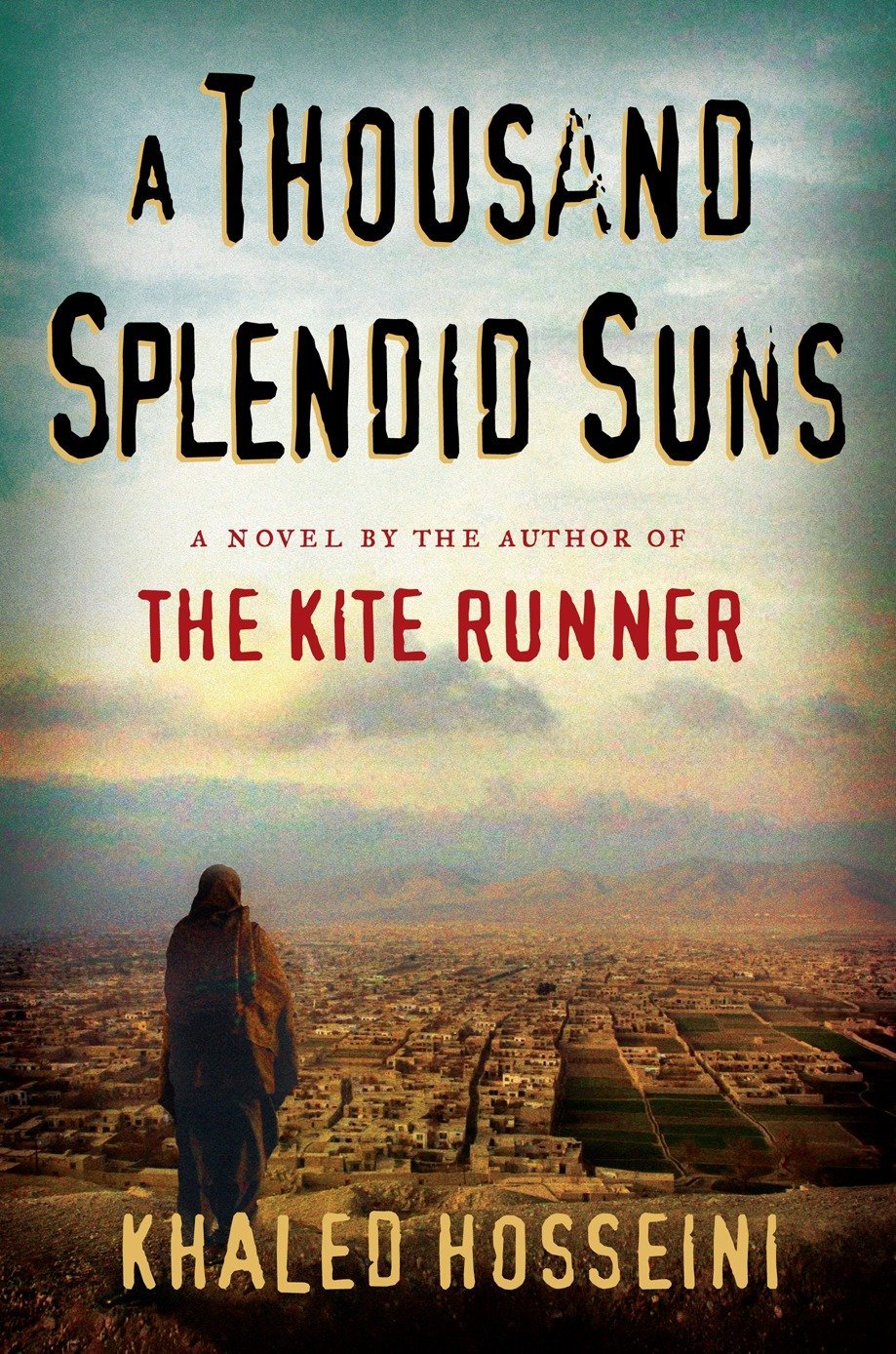
• A Thousand Splendid Suns, Khaled Housseini
Also well-known for his work, The Kite Runner, which is also very good but I personally prefer A Thousand Splendid Suns because it’s the story of two extremely strong women and their lives under pre/Taliban/post rule in Afghanistan and what it really means to endure and persevere for love. It’s heart-wrenching and will make you sick to your stomach, but I think it breathes empathy into us for people we will never know, though they deserve to have their stories heard. While this is technically categorized as fiction, there is no question that the way the main characters suffer is the way women in the Middle East still suffer today.

• Norwegian Wood, Haruki Murakami
This is probably Murakami’s most famous work — it tells the story of two people brought together by a common tragedy, and is written so vividly and beautifully, I wish it were something I read a long time ago and repeatedly afterwards. I always warn people of this book as I recommend it, because it is not best read for anyone with suicidal thoughts or deep sadness within them. It’s a hard book to read, not in skill level but it’ll ignite parts of you you may have wished remained dormant. However, if you have suffered and have made it to the other side of that hopeless suffering, you may like this.
• The Picture of Dorian Gray, Oscar Wilde
This book, written in the late 19th century, is a classic and was previously banned for its morally questioning character, but it’s written so phenomenally and not in the way most “classics” are. (i.e. boring and long-winded with too many characters to keep up with and a plot that happens in the background while you’re still trying to get through paragraph after paragraph of prose.) It’s a necessary read. The Picture of Dorian Gray is maybe surprisingly a quick read and just asks you to really consider the lengths to which you might go to be beautiful forever. However, I would also say you’ll take more from it if you spend the time to go through it’s pages with a careful and critical eye. Especially because the entire novel is completely quotable. Every other line is something you want to remember forever just for the combination of words that made their way into sentences. The language is biting and a touch cruel — you’ll disagree and be insulted because Wilde is talking about the detriments of humanity and you might think yourself above the disparage. But it is all relatable.
“Live! Live the wonderful life that is in you! Let nothing be lost upon you. Be always searching for new sensations. Be afraid of nothing.”
An honorary (non-fiction) mention:

I Am Malala by Malala Yousafzai, who is the youngest Nobel Peace Prize winner for her role as a women’s education activist in Pakistan under Taliban rule, for which she was shot in the head by her own government and currently studies in exile at Oxford. This is her story, an autobiography that reads like poetry. It’s daunting to get through only because most people know what happens. You get to a certain part of the book, and then the rest of the time, you’re waiting for the attack. Which is nerve-wracking all by itself, and then you start to think about all of the ways women in most countries are attacked for speaking out in defense of God-given rights to live and to learn, and suffer furthermore by not doing so, and it’s easy to want to close your eyes to it all. But sometimes closing your eyes is akin to closing your hearts, and today, we’re living in a world where we must pay attention and be like Malala, fighting for the change we need.
 nazaraloves